7 Essential Steps to Start Trading as a Beginner
· based on the channel Sierra Aaliyah
Key takeaways
- Start with $300–$2,000, not $50K or more
- Understand calls vs puts and options vs futures
- Use paper trading before risking real money
- Master three key trading concepts: market structure, candlesticks, and risk management
- Use Webull as recommended broker and TradingView for charts
Trading is the process of buying and selling financial instruments like stocks, options, or futures to profit from market movements. To start trading as a beginner, you need a clear step-by-step approach that builds fundamental knowledge and practical skills. This guide breaks down 7 essential steps to help you start trading effectively with realistic expectations and reliable tools. For exclusive mentorship and community support, consider joining Crystal Academy’s trading discord.
1 Understand What Trading Really Is and Is Not
Trading is not a get-rich-quick scheme or gambling. It involves making educated decisions by analyzing market conditions to buy low and sell high or vice versa. Unlike investing, which often focuses on long-term growth, trading usually targets short-term profits through frequent transactions. Beginners should recognize that initial losses and learning curves are normal and patience is critical.
2 Learn the Basics of Calls, Puts, Options, and Futures
Options are contracts giving you the right, but not obligation, to buy (call) or sell (put) an asset at a set price before expiration. Futures are binding agreements to buy or sell at a future date. Options offer flexibility and limited risk, fitting many beginners’ schedules better than futures, which can require higher capital and have more complex obligations. Understanding these instruments helps you choose your preferred trading focus.
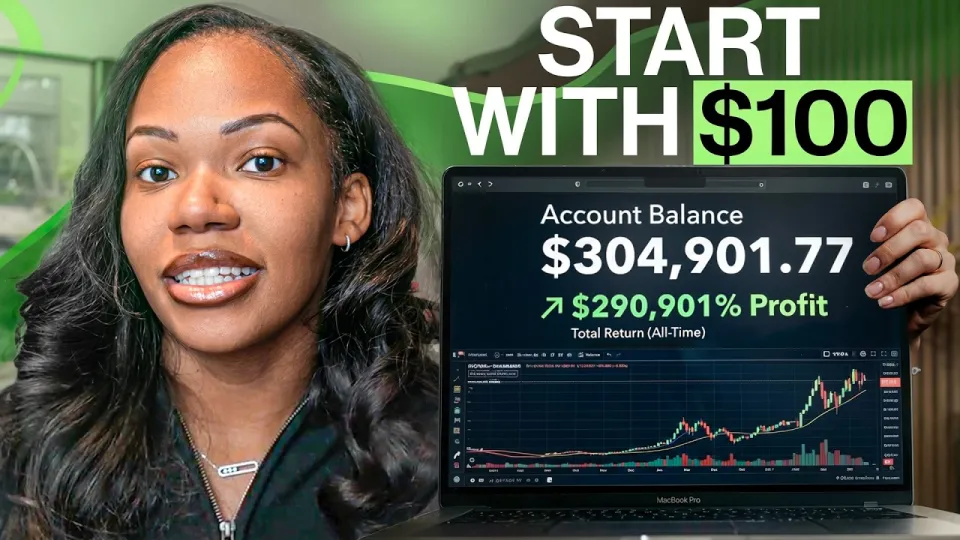
Video: How To Start Trading As A Beginner In 2026 (Step-by-Step)
3 Choose the Right Broker and Charting Platform
Selecting a reliable broker and charting tool is essential. Many beginners use Webull, a commission-free platform with user-friendly features and free stock bonuses through referral links. For chart analysis, TradingView is popular due to its powerful yet accessible interface and variety of indicators. Using these tools daily helps you familiarize yourself with market data and technical patterns.
4 Master Three Core Concepts Before Trading Real Money
Before risking capital, focus on mastering market structure, candlestick reading, and risk management:
- Market structure helps you identify trends, support, and resistance levels.
- Candlestick patterns provide insight into price action and potential reversals.
- Risk management involves setting stop losses and position sizing to protect your account.
- These foundational skills build your edge and discipline.
5 Start with Paper Trading to Practice Without Risk
Paper trading simulates real market conditions using virtual money. This practice is critical to test strategies and build confidence before trading live. If you can’t consistently double a small sum like $1,000 on paper, you shouldn’t risk real money. Patience here saves you from costly mistakes.
6 Manage Your Psychology and Expect Setbacks
Trading success depends heavily on psychological control. Avoid chasing quick profits or reacting emotionally to losses. Most beginners quit within the first two months due to frustration or unrealistic expectations. Accept that losses are part of the process, and focus on learning from mistakes. Developing discipline and a positive mindset is as important as technical knowledge.
7 Build a Sustainable Trading Routine and Community
Trading full-time requires commitment and continuous learning. Establish a daily routine that includes market research, reviewing trades, and studying new concepts. Joining a supportive community, such as Sierra Aaliyah’s Crystal Academy, provides mentorship, accountability, and motivation. Surrounding yourself with like-minded traders helps maintain progress and resilience.
Useful Links
- Crystal Academy trading discord for mentorship and support: https://whop.com/c/crystal-academy/youtube
- Webull broker signup with free stocks: https://www.webull.com/k/SierraUSA
- Sierra Aaliyah Instagram: https://www.instagram.com/sierra.aaliyah/
- Sierra Aaliyah TikTok: https://www.tiktok.com/@sierraxliyah
Conclusion
Starting trading as a beginner requires clear steps, realistic goals, and proper tools. By understanding what trading truly involves, mastering essential concepts, and practicing diligently through paper trading, you can build a solid foundation. Managing psychology and joining a supportive community like Sierra Aaliyah’s Crystal Academy are crucial for long-term success. Embark on your trading journey equipped with knowledge and patience, and use the resources shared here to guide your progress.
Questions & answers
Is it necessary to have a large amount of money to start trading?
No, you do not need a large sum like $50,000 to start trading. Beginners are recommended to start with an amount between $300 and $2,000 to manage risk effectively while learning.
What is the difference between calls and puts?
Calls are options contracts that give the right to buy an asset at a set price before expiration, while puts give the right to sell. Calls benefit when prices go up, and puts benefit when prices go down.
Why do most beginners quit trading early?
Many beginners quit within the first two months due to frustration from losses, unrealistic expectations, and emotional reactions. Managing psychology and having patience are key to overcoming these challenges.
How important is paper trading before using real money?
Paper trading is very important as it allows beginners to practice strategies and gain confidence without risking capital. Successfully growing a virtual account is a strong indicator of readiness for live trading.
Source: How To Start Trading As A Beginner In 2026 (Step-by-Step) · Markdown version